Most homeowners should repaint their interior walls every 3 to 10 years, depending on the specific room's usage and daily wear. When determining how often should you repaint your house interior, high-traffic areas like kitchens and hallways typically need attention every 3 to 5 years; conversely, bedrooms and formal spaces can often go 5 to 10 years before requiring a fresh coat.
Your home should feel like a sanctuary, yet it is often the subtle wear and tear on your walls that begins to disrupt that sense of comfort. Scuff marks in the entryway, faded patches from sunlight, and moisture damage in the bathroom can make even a well furnished space feel neglected. At DNA Pro Painting, LLC, we understand that a high quality finish is an investment in your property's longevity and aesthetic appeal. Knowing exactly when to refresh your interior ensures you maintain both the structural integrity of your surfaces and the modern look of your decor. This guide provides a professional, room by room breakdown of paint lifespans. You will discover how traffic patterns affect durability, identify specific warning signs of paint failure, and learn practical strategies to extend the life of your next professional paint job.
Understanding Interior Paint Lifespans: The General Rule of Thumb
Most homeowners ask how often should you repaint your house interior when they notice the first sign of a scuff or a faded corner. While the general rule of thumb is every 3 to 10 years, that seven year gap represents a significant difference in how your home is maintained. Where your property falls on this spectrum depends on three primary variables: the volume of foot traffic, the environmental conditions unique to Georgia, and the caliber of the initial application.
In the Georgia climate, humidity plays a major role in paint longevity. High moisture levels can cause inferior products to bubble or peel prematurely if the surface was not properly sealed. Furthermore, there is a stark contrast between the standard builder grade finishes found in many new developments and a professional application. Builder grade paint is often thin and porous, making it difficult to clean without damaging the finish. In contrast, our residential painting services prioritize meticulous preparation, using premium paints that offer better hide and scrubbability.
A high quality professional job can easily push the lifespan of a room toward that 10 year mark, whereas a DIY project or a low budget finish might require a refresh after only 3 years. To determine the right schedule for your home, you must evaluate each space individually. The wear and tear in a mudroom is vastly different from that of a formal dining room. If you are noticing signs of aging now, you can contact us for an estimate to restore your home's finish. Otherwise, let’s break down the specific timelines for every area of your house.
High Traffic Areas: Hallways, Entryways, and Mudrooms
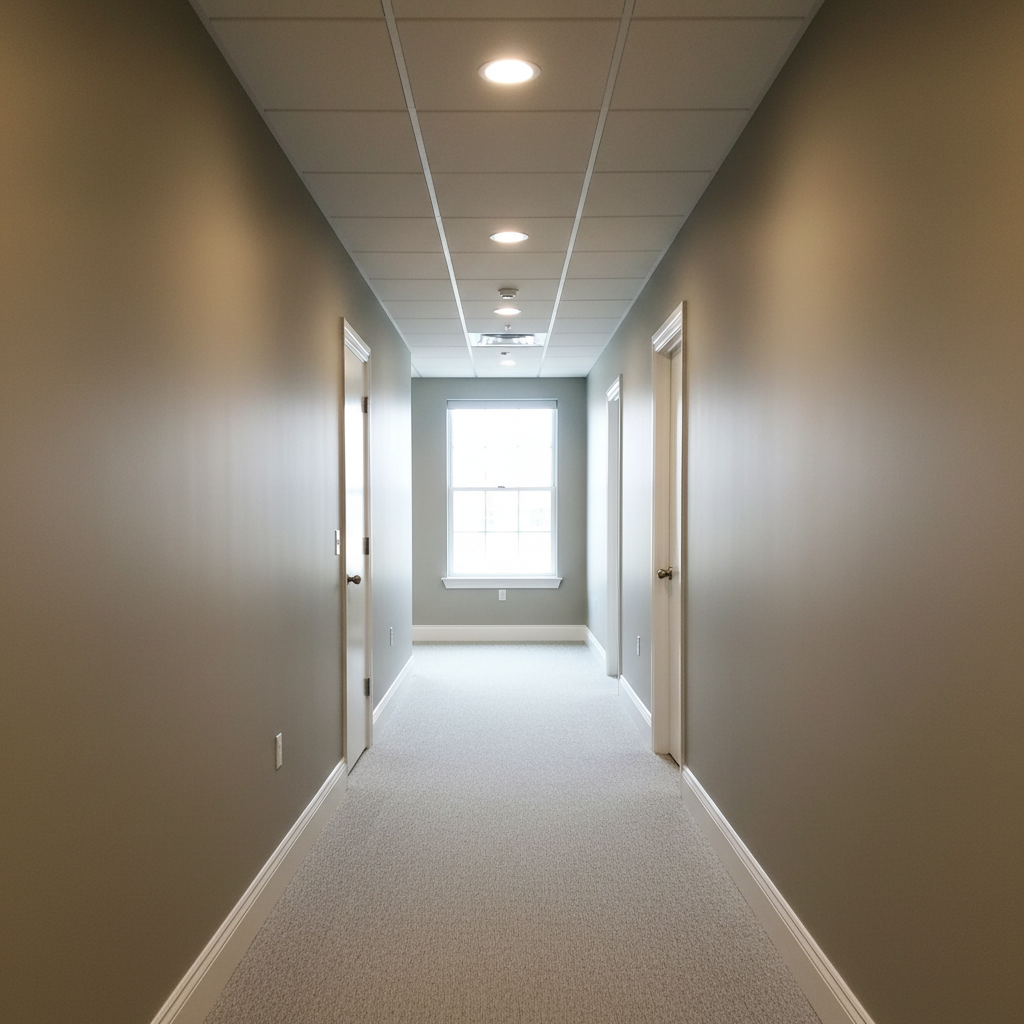
When considering how often should you repaint your house interior, the busiest areas of the home dictate the tightest schedule. Hallways, entryways, and mudrooms typically require a refresh every 2 to 3 years because they function as the primary thoroughfares of your property. These spaces endure constant physical contact, leading to visible scuff marks from shoes, fingerprints near light switches, and "shoulder rubbing" in narrow corridors where bags or clothing frequently graze the walls.
For Georgia homeowners, entryways are particularly vulnerable. The local humidity and the tendency to track in outdoor dirt can cause lower quality paints to break down faster than they would in a climate controlled, low traffic room. To combat this, we recommend utilizing a higher sheen, such as eggshell or satin. These finishes are specifically designed for scrubbability, allowing you to wipe away grime without polishing the paint or removing the color.
Our residential painting services prioritize the use of premium products in these zones, combined with meticulous preparation to ensure the new coat adheres perfectly. This professional approach prevents the premature peeling often seen in high traffic zones. If your hallways are already showing significant wear and tear, you can contact us for an estimate to bring back a clean, durable finish.
Kitchens and Bathrooms: Dealing with Heat and Humidity
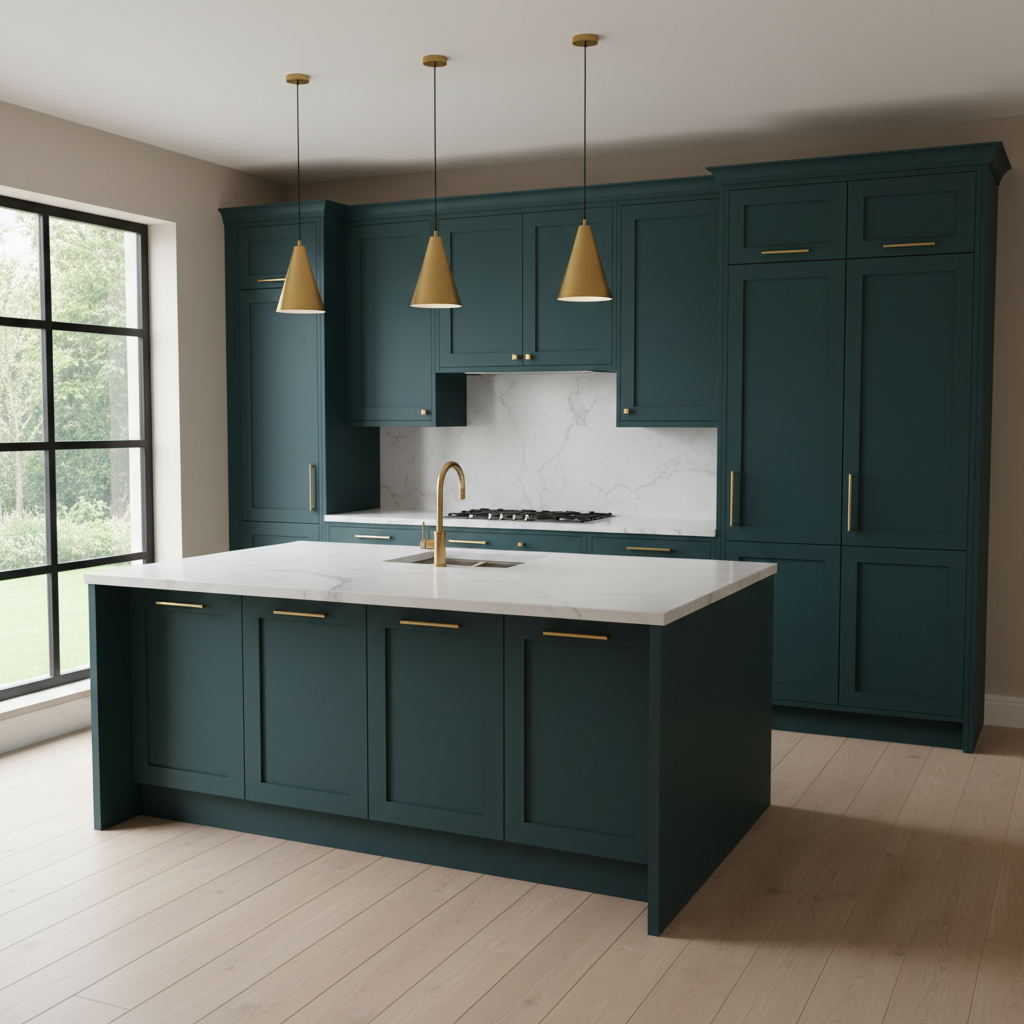
When evaluating how often should you repaint your house interior, kitchens and bathrooms usually require a shorter cycle than dry living spaces. These rooms serve as the functional hubs of the home, but they are also the most demanding environments for any finish. Because of the constant exposure to steam, cooking grease, and frequent chemical cleaning, you should generally plan for a refresh every 3 to 4 years.
In a climate like Georgia, indoor humidity often remains higher than in other regions. This environmental factor can exacerbate moisture issues if the paint isn’t a high quality, moisture resistant formula. Standard paints are often too porous for these zones, leading to water spots or even mildew. We utilize specialized coatings designed to inhibit fungal growth and offer superior scrubbability, allowing you to wipe away grime without polishing the finish.
The longevity of these spaces depends entirely on meticulous preparation. In humid zones, any residual oils or moisture on the surface will prevent proper adhesion, causing the paint to bubble or peel. This applies heavily to cabinetry as well. Kitchen cabinets often need a refresh sooner than walls, particularly if they were not professionally finished with durable products. Oils from hands and heat from appliances can break down a low grade finish in just a couple of years.
Our residential painting services focus on degreasing and priming these surfaces to ensure the new coat stands up to daily use. If your kitchen or bath surfaces feel tacky or show visible flaking, you can contact us for an estimate to restore the integrity of your home's most essential rooms.
Living Rooms and Dining Rooms: Moderate Traffic Zones
Living rooms and dining rooms generally allow for a longer interval when deciding how often should you repaint your house interior. Because these spaces are primarily used for sitting and relaxing rather than high energy activity, the walls experience less direct physical contact. You can typically expect a professional finish to maintain its visual appeal for 5 to 7 years in these moderate traffic zones.
Environmental factors and room layout still dictate the specific timeline. Many Georgia homes feature large windows that invite significant natural light. While beautiful, this intense UV exposure can cause pigments to fade over time, especially in rooms with deeper accent colors. Furthermore, furniture placement often conceals subtle damage. Scuffs from dining chair backs or the marks left behind a long standing sofa are common issues that often necessitate a fresh coat. For homeowners who entertain guests frequently, leaning toward the five year mark ensures the aesthetic remains sharp and welcoming.
Our residential painting services emphasize the use of premium, light fast pigments that resist fading. Combined with meticulous preparation, this ensures a durable finish that stands up to daily life. If your gathering spaces are losing their luster or the color has noticeably dulled from the sun, contact us for an estimate to restore the vibrancy of your home.
Bedrooms: Adult Spaces vs. Kids Rooms
The lifespan of a bedroom’s finish varies significantly based on who occupies the space. For master bedrooms and guest suites, you rarely need to worry about how often should you repaint your house interior; these low traffic sanctuaries can easily maintain their beauty for 10 years or more. Since these rooms are primarily used for rest, the walls face minimal physical contact, preserving the integrity of the finish long after high traffic zones have begun to show their age.
Children's bedrooms require a much more frequent schedule, typically needing a refresh every 2 to 5 years. This shorter cycle is driven by both physical wear and developmental changes. These walls endure unique stresses, including scuff marks, handprints, and the adhesive residue left behind from posters or decor. Furthermore, a child’s aesthetic preferences evolve rapidly. A color palette that felt perfect for a toddler often feels outdated by the time they reach elementary or middle school.
When providing residential painting services for these private spaces, we prioritize healthy indoor air quality by utilizing premium, low VOC (Volatile Organic Compounds) paints. These formulas minimize chemical emissions and odors, which is essential for a healthy sleeping environment. Our approach involves meticulous preparation to ensure the new coat is durable enough to handle the occasional scrub down. If your child has outgrown their current theme or your master suite feels dull, contact us for an estimate to revitalize your most personal rooms.
Five Warning Signs Your Interior Paint Needs a Refresh
Determining how often should you repaint your house interior often comes down to visual evidence rather than a calendar date. While a guest room might look acceptable after a decade, other areas will signal their decline through specific physical failures. Recognizing these warning signs early can prevent more costly drywall repairs down the road.
Fading: Intense Georgia sunlight through large windows acts as a slow bleaching agent. Vibrant pigments, particularly deep reds and dark blues, are the most susceptible to UV degradation. If moving a picture frame reveals a significantly darker shade behind it, the exposed paint has lost its saturation and protective properties.
Cracking or Peeling: Flaking or "alligator" cracks are definitive signs of age or poor adhesion. This occurs when the paint film loses its elasticity and can no longer expand and contract with temperature changes. This often stems from a lack of meticulous preparation during the previous application, allowing moisture to compromise the bond between the paint and the substrate.
Stubborn Stains: High quality finishes should be washable. If you attempt to clean a smudge and the paint begins to rub off onto your cloth while the stain remains, the finish has become overly porous. At this stage, the wall can no longer be cleaned without damaging the appearance.
Outdated Aesthetics: A home’s interior should evolve with your style. If your walls are technically sound but the color palette feels stuck in a previous era, a refresh serves both a functional and emotional purpose.
Surface Damage: Accumulations of chips, deep scuffs, and drywall dents eventually reach a tipping point. Once a wall requires multiple patches, it is more efficient to utilize residential painting services for a full, uniform finish. If you notice these red flags in your home, you can contact us for an estimate to restore a professional appearance.
How to Extend the Life of Your Interior Paint Job
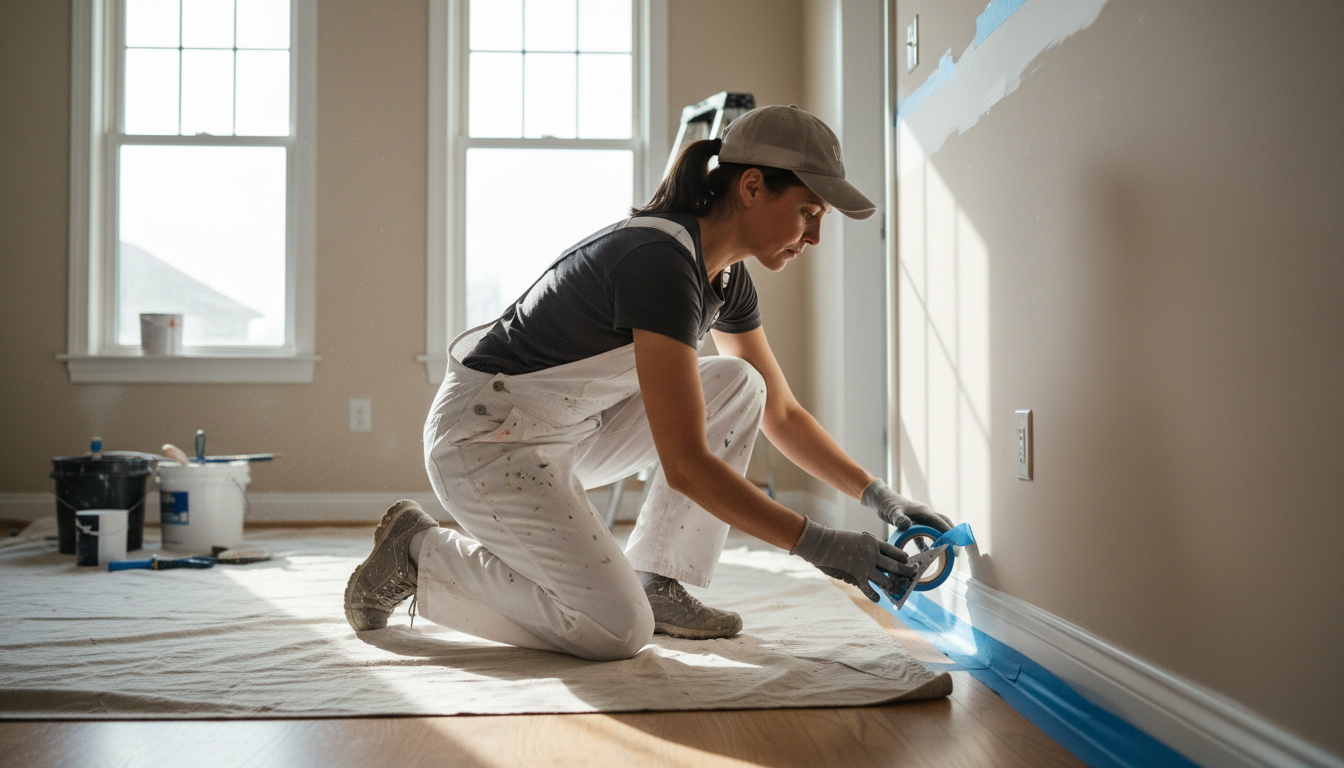
Maintaining your home’s aesthetic depends heavily on how you care for the surfaces after the crew leaves. While understanding how often should you repaint your house interior helps with long term budgeting, proactive maintenance can extend that window by several years. Start with regular dusting; using a soft microfiber cloth prevents cobwebs and airborne particles from becoming permanently embedded in the paint’s texture. For spills or scuffs, spot clean immediately using a soft sponge and a mild, non-abrasive soap. Harsh chemicals often degrade the paint's sheen, leaving permanent burnish marks that are highly visible in direct sunlight.
The real secret to longevity lies in meticulous preparation. Our philosophy at DNA Pro Painting is that a finish is only as durable as the surface beneath it. This involves thorough sanding to create a mechanical bond and priming to seal porous substrates. In the humid Georgia climate, skipping these foundational steps is the number one reason for early paint failure. By investing in professional residential painting services, you ensure a foundation designed to resist peeling and fading. If your current walls are difficult to clean or showing their age, contact us for an estimate to achieve a lasting transformation.