Paint peels in humidity because excessive moisture in the air prevents the paint from drying and curing at the correct rate, which compromises its bond with the surface. When water vapor becomes trapped underneath the finish, it creates pressure that leads to bubbling, blistering, and eventual flaking. This breakdown in adhesion explains why does paint peel in humidity and why proper timing is critical for a lasting finish.
There is nothing more frustrating than investing in a fresh exterior paint job only to see it bubble and flake after a single Georgia summer. For homeowners in Buford and the surrounding areas, the intense moisture in our air acts as a constant barrier to a professional finish. This happens because high humidity prevents paint from properly bonding to the surface; it creates a layer of vapor that traps moisture beneath the coating. Understanding the science of adhesion is critical if you want your home to maintain its curb appeal for years rather than months. In this guide, we will explore the crucial difference between drying and curing in our local climate. You will also learn about the 85 percent rule for humidity levels and how we combat local elements like pine pollen and sudden afternoon storms to ensure a lasting bond.
The Science of Adhesion: Why Does Paint Peel in Humidity?
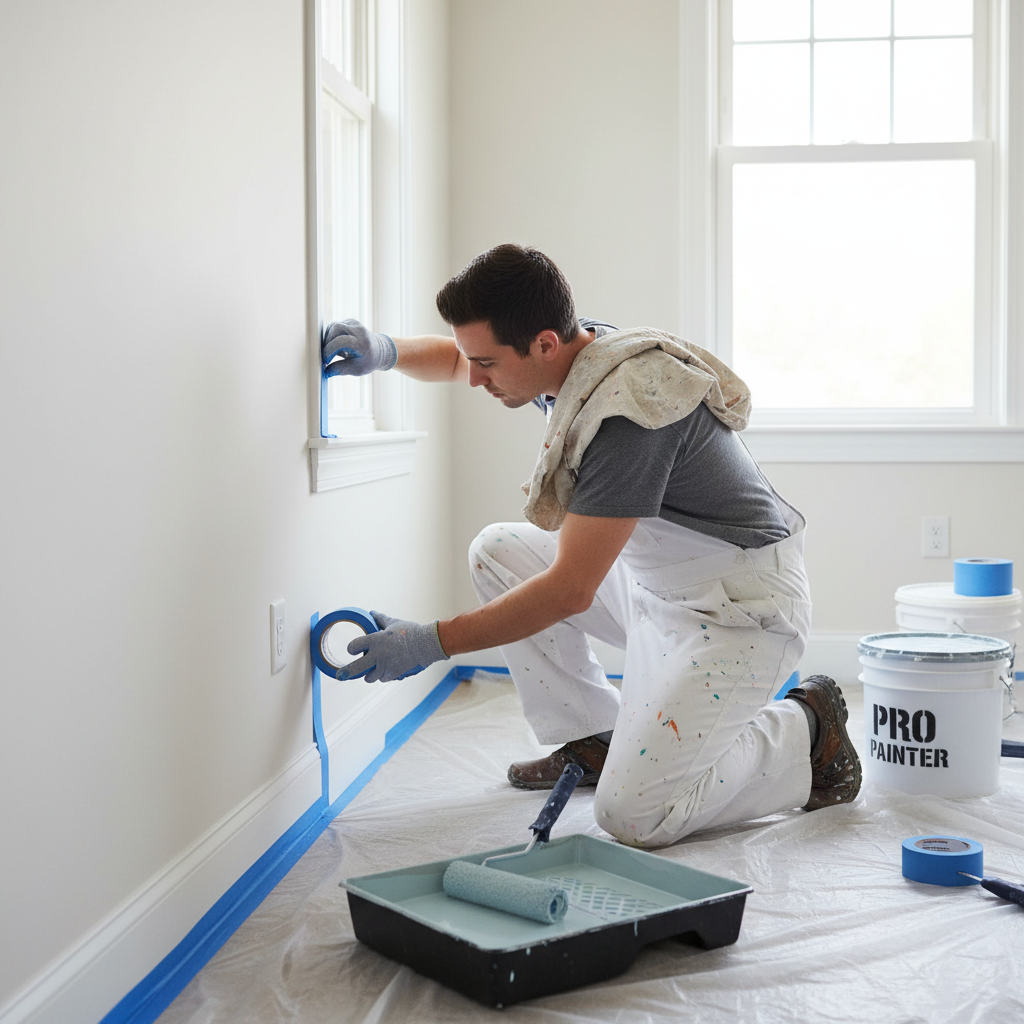
In the humid environment of Buford, Georgia, the success of a paint job depends on an invisible chemical process called coalescence. When you apply a fresh coat of latex or acrylic paint, you are applying a suspension of pigment and resin particles in water. For the paint to transform into a durable, protective film, that water must evaporate at a controlled rate. This is where the molecular struggle begins. When the air is saturated with water vapor, the evaporation process slows significantly or stops altogether.
The primary reason why does paint peel in humidity is the failure of this evaporation cycle. If the water cannot escape the paint film, the resin particles cannot fuse together to create a solid bond with the substrate. Instead of biting into the wood or drywall, the paint remains in a semi-liquid state for too long. This creates a weak interface where the paint merely sits on top of the surface rather than becoming part of it. When the paint cannot anchor itself properly, it is only a matter of time before it begins to lift.
This environmental interference often leads to two specific technical failures:
Surfactant Leaching: These are soap like additives in the paint that help with leveling and stability. In high humidity, they may rise to the surface before the paint dries, leaving behind sticky, brown streaks or a waxy residue that ruins the finish and prevents proper adhesion.
Blistering: If the surface of the paint skins over while moisture is still trapped underneath, that moisture expands as temperatures rise. This pressure forces the paint away from the wall, creating bubbles or blisters that eventually rupture and peel.
At DNA Pro Painting, LLC, we distinguish these environmental failures from those caused by poor surface prep. While peeling from dirt or grease often occurs because the surface was not cleaned, humidity based peeling is a structural failure of the paint film itself. Our commitment to quality workmanship and meticulous preparation ensures we only paint when the dew point and substrate moisture levels allow for a permanent bond. Learning about our local painting expertise helps homeowners understand that a lasting finish requires more than just a brush; it requires respect for the local climate.
The Drying vs Curing Trap in the Georgia Climate
Homeowners in Buford and the Greater Atlanta area often fall into the trap of assuming that once a wall is no longer tacky, the project is finished. However, there is a critical distinction between a surface that is dry and one that is cured. Drying refers only to the evaporation of the liquid carrier, usually water, from the paint film. Curing is the secondary chemical process where the resin particles fuse into a hard, protective shell.
Under ideal conditions, most high quality acrylic paints are dry to the touch in a few hours, but they require up to 30 days to fully cure. In the North Georgia climate, where relative humidity frequently fluctuates between 70 and 90 percent, this window can expand significantly. When the air is saturated, the water trapped within the paint film cannot escape easily, leaving the coating chemically unstable. This soft, gummy state makes the surface highly vulnerable to scuffs, imprinting, and moisture intrusion.
Stage | Standard Timeline | Georgia Humidity Timeline (70%+) |
|---|---|---|
Dry to Touch | 1 to 4 Hours | 8 to 12 Hours |
Recoat Time | 4 to 24 Hours | 24 to 48 Hours |
Full Cure | 21 to 30 Days | 45 to 60 Days |
Providing reliable residential painting services requires understanding that this extended curing phase is when the paint is most at risk. If the paint does not reach its intended hardness because of persistent moisture, the bond remains weak. This lack of structural integrity is a primary reason why does paint peel in humidity months after the job is done; the film simply never properly anchored to the substrate during its most vulnerable state.
Georgia Specific Challenges: Pollen, Pine Trees, and Afternoon Storms
Navigating the North Georgia climate requires more than just checking the temperature. In Buford, the local environment introduces variables that standard paint manufacturer labels often ignore. The first major hurdle is the infamous yellow pine pollen season. When humidity levels are high, paint remains tacky for hours or even days. If a coat of paint stays in this open state during peak pollen counts, the airborne allergens become permanently embedded in the finish. This creates a rough, sandpaper like texture that traps dirt and provides a primary food source for future mildew growth.
Furthermore, Gwinnett County homeowners are all too familiar with the 3 PM Summer Storm. These sudden, heavy downpours occur frequently on the most humid days of the year. If a fresh coat of paint has not formed a skin because the air is too saturated for evaporation, a sudden rain shower can literally wash the pigment off the siding or cause permanent water spotting. When moisture from a storm gets trapped under a partially dried layer, it sets the stage for future bond failure. This environmental interference is a localized answer to why does paint peel in humidity; the water disrupts the film formation before the paint can become water resistant.
Managing these risks requires about our local painting expertise and a constant eye on the radar. We schedule our exterior projects to avoid these micro-climate pitfalls, ensuring that every layer has the necessary window to resist the elements. This attention to detail is a core part of our quality workmanship and meticulous preparation process.
The 85 Percent Rule: When is it Too Humid to Paint in Buford?
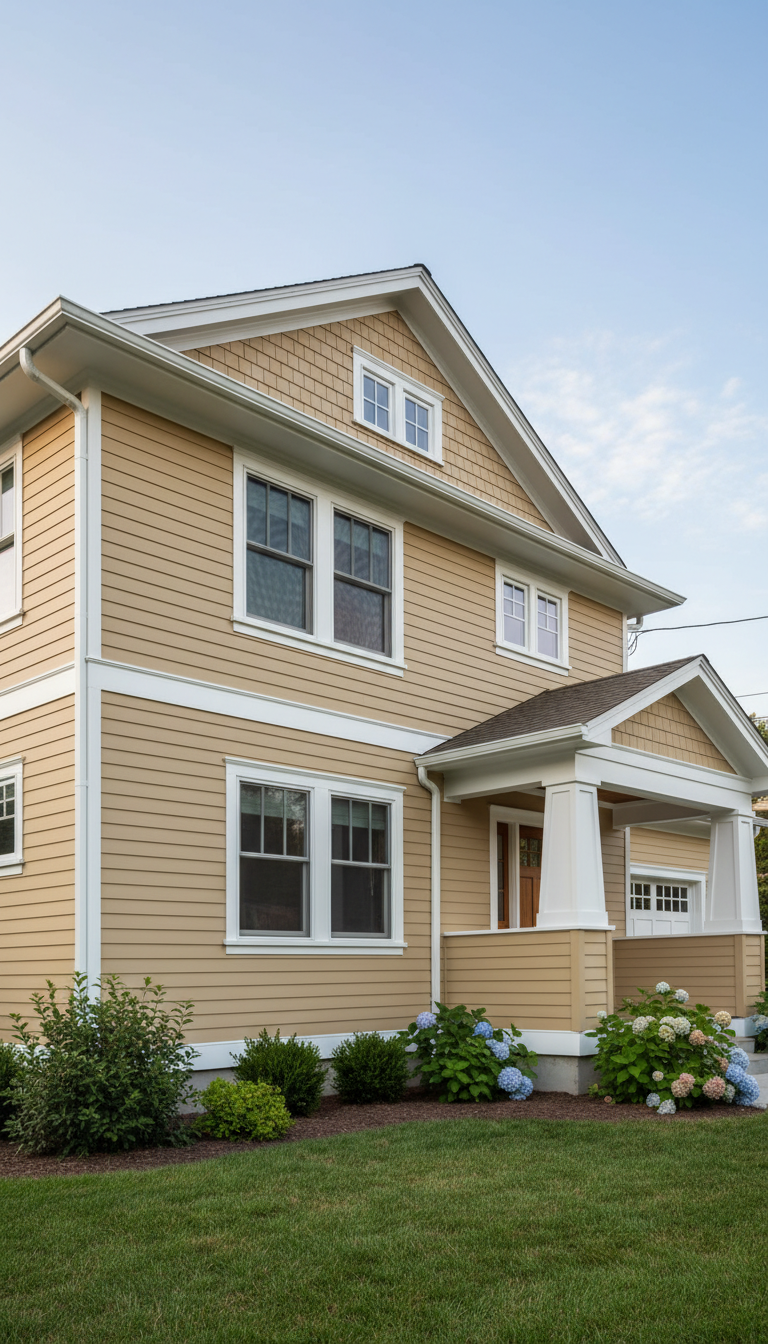
The question of what humidity is okay to paint has a definitive answer in the professional world: keep it below 85 percent. When relative humidity exceeds this threshold, the air is too saturated to absorb the water evaporating from the paint film. For DIYers in Gwinnett County, checking the thermometer is only half the battle. You must monitor the dew point. If the surface temperature of your siding or trim is within 5 degrees of the dew point, invisible moisture will condense on the substrate. This microscopic layer of water is a primary reason why does paint peel in humidity, as it prevents the resin from ever touching the actual surface.
Securing a long lasting finish requires timing your project around the North Georgia climate. The most reliable windows for exterior work in Buford typically fall between late April and June, or from September through October. These periods offer the stable, lower moisture levels necessary for quality workmanship and meticulous preparation. For interior projects, the outdoor humidity is less of a deterrent. DNA Pro Painting, LLC manages the environment by utilizing professional climate control strategies, such as running HVAC systems to act as dehumidifiers. This ensures reliable residential painting services year round, providing a consistent cure regardless of the weather outside. Understanding these technical limits is part of about our local painting expertise and our commitment to results that endure.
How DNA Pro Painting Makes Paint Last Despite the Humidity
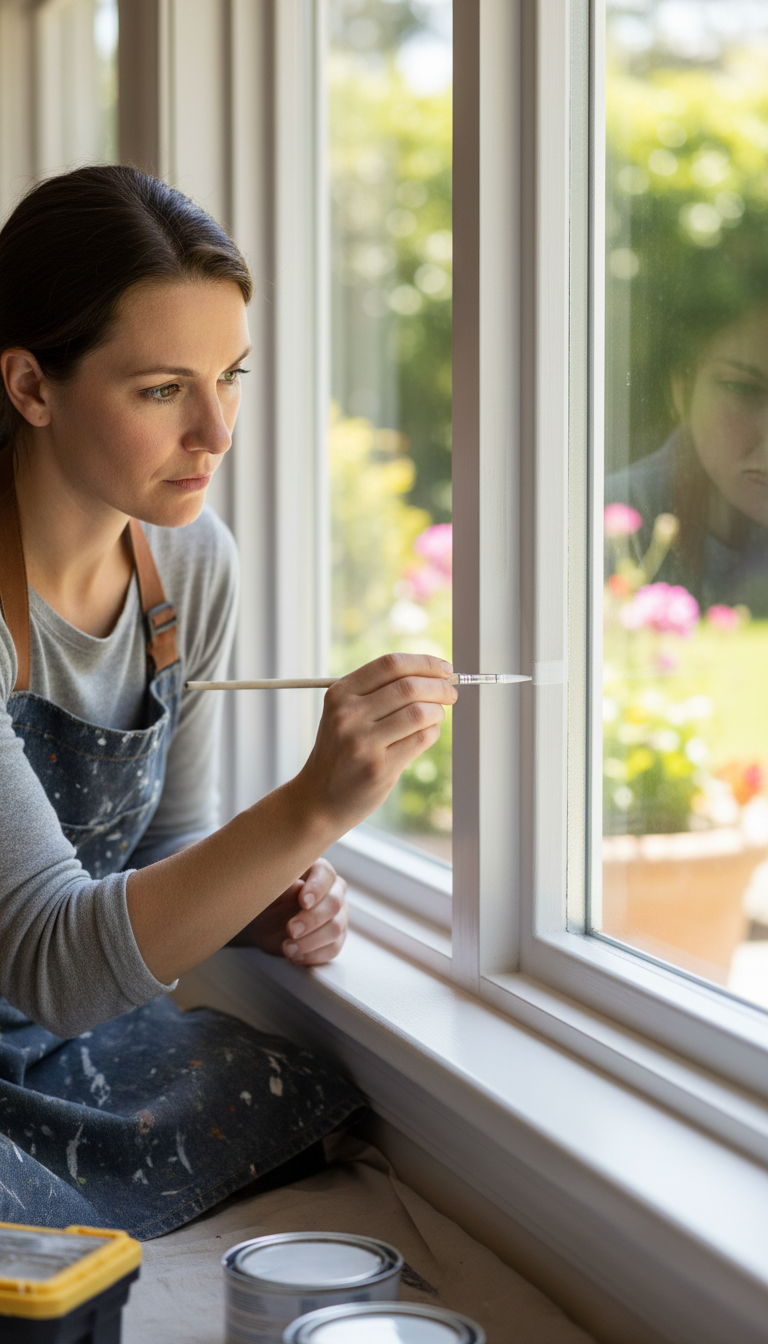
At DNA Pro Painting, LLC, we do not rely on guesswork or a simple touch test to decide if a surface is ready for paint. Our approach centers on quality workmanship and meticulous preparation, which starts with the use of digital moisture meters. In Georgia, wood siding and trim can hold onto moisture long after the morning dew has vanished. We ensure that the wood saturation level is within a safe range, typically below 12 to 15 percent, before a single drop of paint is applied. This preventative step directly addresses the technical reason why does paint peel in humidity, as it ensures no water is trapped beneath the new film.
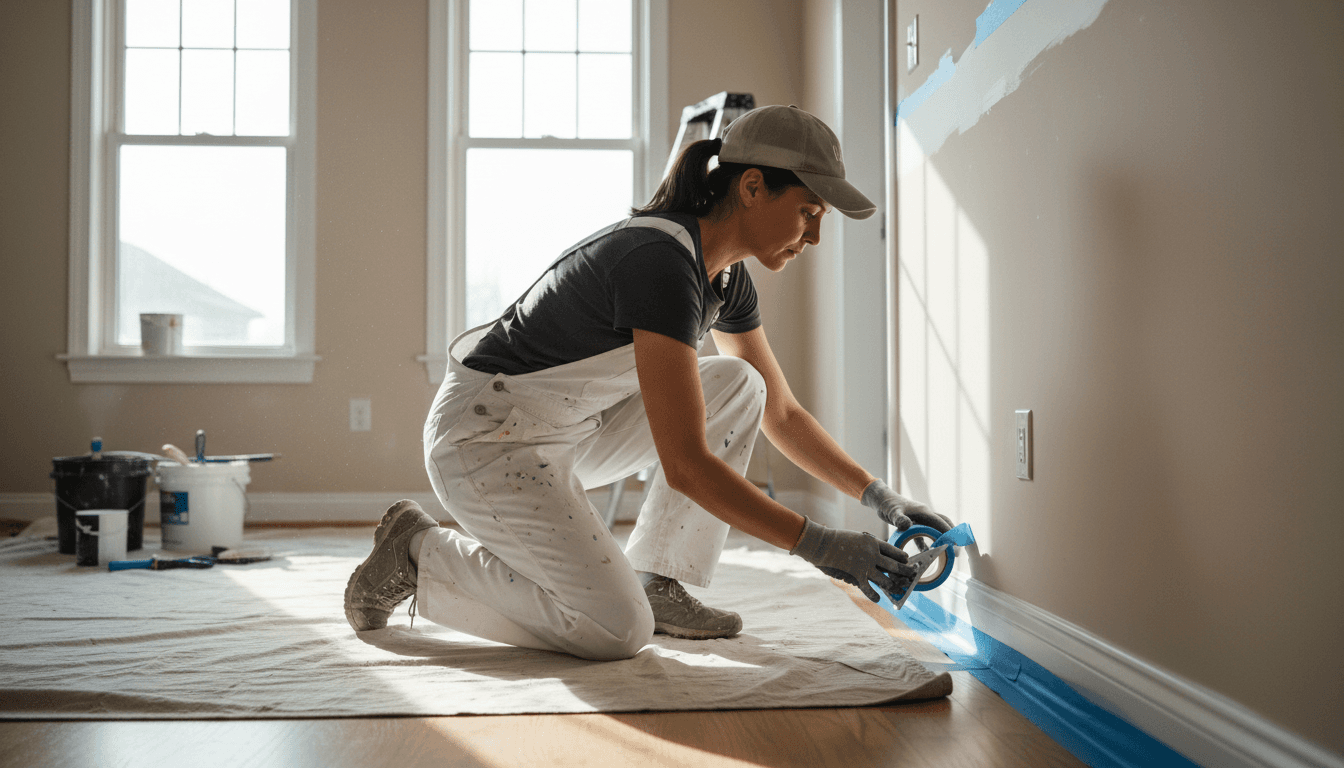
Beyond measuring moisture, we focus on creating a mechanical bond. Standard painting often fails because the coating merely rests on the surface. We perform aggressive sanding to scuff the existing finish and open the pores of the substrate. This process creates a "tooth" for the paint to grab onto, ensuring the bond is structural rather than just superficial. When combined with specialized, high-solids primers designed specifically for high-humidity environments, this creates a barrier that resists the lifting and bubbling common in Gwinnett County.
The choice of materials is equally critical for reliable residential painting services. We select high-quality, 100% acrylic paints specifically formulated for the Southeast. These breathable coatings are engineered with advanced resin technology that allows minute amounts of water vapor to pass through the film without breaking the bond. Unlike cheaper alternatives that create a brittle plastic shell, these paints expand and contract with the substrate.
Strategy | Professional Benefit |
|---|---|
Moisture Meter Testing | Confirms the substrate is dry enough for adhesion |
Mechanical Sanding | Creates a physical surface for the paint to anchor into |
Breathable Acrylics | Prevents vapor pressure from causing blisters |
Specialized Primers | Seals the surface while providing a stable base |
By combining these technical steps, we provide a finish that stands up to the local climate. This level of detail is a core part of about our local painting expertise and ensures your investment is protected from the inevitable Georgia humidity.
Managing Indoor Humidity During Interior Painting Projects
While interior painting is shielded from the direct rain of Gwinnett County, the drying process itself introduces significant moisture back into the home. Does painting increase humidity? Yes, it does. As the water in latex or acrylic paint evaporates to form a solid film, it releases vapor into the surrounding air. In a standard room, this localized moisture spike can stall the curing process if the air becomes stagnant, leading to a finish that remains soft and vulnerable to damage.
We emphasize quality workmanship and meticulous preparation by managing the indoor atmosphere long before the project begins. For Buford homeowners, the most effective tool for success is the HVAC system. Setting the thermostat to a consistent temperature allows the air conditioner to function as a high capacity dehumidifier, pulling excess water vapor from the room. We also recommend using floor fans to maintain constant airflow across the walls. This prevents a micro-climate of high humidity from resting against the surface, which is a common reason why does paint peel in humidity even in climate controlled environments.
A frequent mistake is opening windows to let the paint breathe. During a typical Georgia summer, the outdoor humidity is significantly higher than the indoor air. Opening a window introduces heavy, saturated air that can cause the paint to stay tacky for days. Keeping the house sealed during the project is a hallmark of our reliable residential painting services. By controlling these variables, homeowners benefit from about our local painting expertise and a finish that cures to its maximum hardness without environmental interference.
Managing Georgia's humidity requires the right preparation and high-quality materials to prevent peeling. While understanding these environmental factors is the first step toward a lasting finish, applying these techniques correctly can be a complex task. If you want expert help ensuring your home stays protected against the elements, our team is here to assist. You can read more about our commitment to quality and our experience with local climate challenges. We take the stress out of home maintenance by providing durable results that stand the test of time.