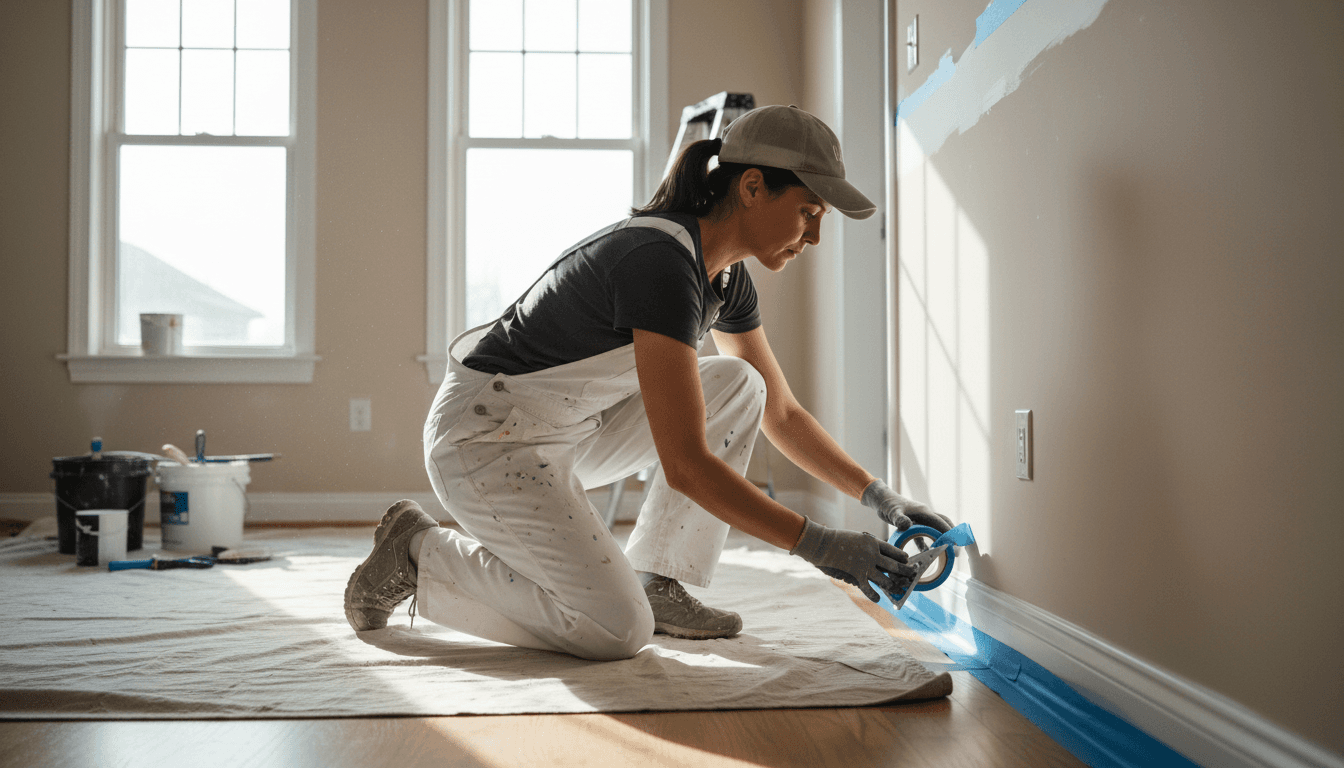
To learn how to clean painted walls without damaging the finish, start by dusting the surface with a microfiber cloth and then use a soft sponge dipped in a mixture of mild dish soap and warm water. Avoid using abrasive scrubbers or harsh chemicals that can strip the paint; instead, gently wipe the walls and pat them dry to maintain the integrity of the surface.
As the holiday season approaches in Georgia, you might notice that high traffic areas in your home have accumulated unsightly scuffs, fingerprints, or dust. The natural instinct is to scrub them away, yet improper cleaning techniques often lead to permanent burnishing or damage to the paint's delicate sheen. Preserving the integrity of your professional finish is essential for maintaining the sophisticated aesthetic of your interior spaces. In this guide, DNA Pro Painting provides expert insights into the safest methods for revitalizing your surfaces. You will learn how to identify your specific paint finish, the correct way to use mild surfactants like Dawn dish soap, and specialized techniques for cleaning matte walls without creating unwanted shine. We also cover strategies for handling tough seasonal stains; this ensures your home remains pristine for every festive gathering.
Why Wall Maintenance Matters During the Georgia Holiday Season
As the holiday season settles into Buford and the Greater Atlanta area, homes become the primary hubs for social activity. Indoor gatherings and festive decorations bring life to a residence; however, they also introduce increased foot traffic that places stress on your interior surfaces. Between guests brushing against hallways and the physical movement of furniture to make room for holiday decor, scuffs and stains are almost inevitable.
DNA Pro Painting, LLC views a high-end paint job as a significant investment in your home's value and aesthetic appeal. Maintaining that professional look requires more than just a quick wipe down. Knowing how to clean painted walls without damaging the finish is essential for preserving the integrity of your quality residential painting services. Taking proactive steps now ensures your walls remain a clean backdrop for your celebrations rather than a source of stress. Regular maintenance during these high-activity months prevents minor marks from becoming permanent blemishes on your home’s refined surfaces.
Understanding Your Paint Finish Before You Clean
Effective maintenance begins with identifying the specific sheen applied to your walls. The level of gloss directly impacts how much moisture and friction the surface can handle. Matte and flat finishes are prized for their velvet-like appearance, but they are highly porous. Scrubbing these surfaces often leads to burnishing, a condition where friction creates a permanent shiny spot that ruins the uniform look. Because these finishes hold onto pigments loosely, aggressive cleaning can actually remove the paint itself.
Conversely, eggshell and satin finishes contain more resin, making them more resilient against light moisture. Semi-gloss and high-gloss paints are typically found in kitchens or mudrooms because their hard, non-porous surface allows for frequent wiping without degrading the color. For expert interior painting in Georgia, we often recommend these higher-sheen finishes in corridors where holiday guest activity is highest.
Paint Finish | Durability | Best Cleaning Approach |
|---|---|---|
Flat / Matte | Low | Dry dusting or very light dabbing |
Eggshell | Moderate | Damp cloth with mild pressure |
Satin / Semi-Gloss | High | Gentle scrubbing with mild soap |
Regardless of the sheen, always perform a spot test in an inconspicuous area, such as behind a door or low on a baseboard. This ensures your cleaning method does not lift the pigment or alter the texture before you address more visible areas.
The Golden Rule: Start with Dusting and Dry Cleaning
Before reaching for a bucket of water, it is vital to address the loose debris that accumulates on your surfaces. A common mistake in residential maintenance is applying a damp cloth directly to a dusty wall. This process often creates a muddy slurry that streaks across the surface, making the job harder and potentially forcing grime deeper into the paint's pores. Learning how to clean painted walls from dust is the necessary first step in how to clean painted walls without damaging the finish.
Use a clean microfiber cloth or a vacuum equipped with a soft brush attachment to gently lift particles from the surface. Work from the top down to ensure falling dust does not settle on areas you have already cleaned. In many Georgia homes, crown molding and painted baseboards become magnets for pet hair and fine dander during the winter months when the HVAC system runs constantly. Paying close attention to these architectural details prevents a buildup that can dull the paint's luster over time. This foundational step is a hallmark of quality residential painting services; starting with a dry surface ensures that any subsequent wet cleaning treats the actual stain rather than just moving household dust around. Taking five minutes to dry-dust prevents the abrasive friction that often leads to permanent surface damage.
Safe Cleaning Solutions: Is Dawn Dish Soap Good for Walls?
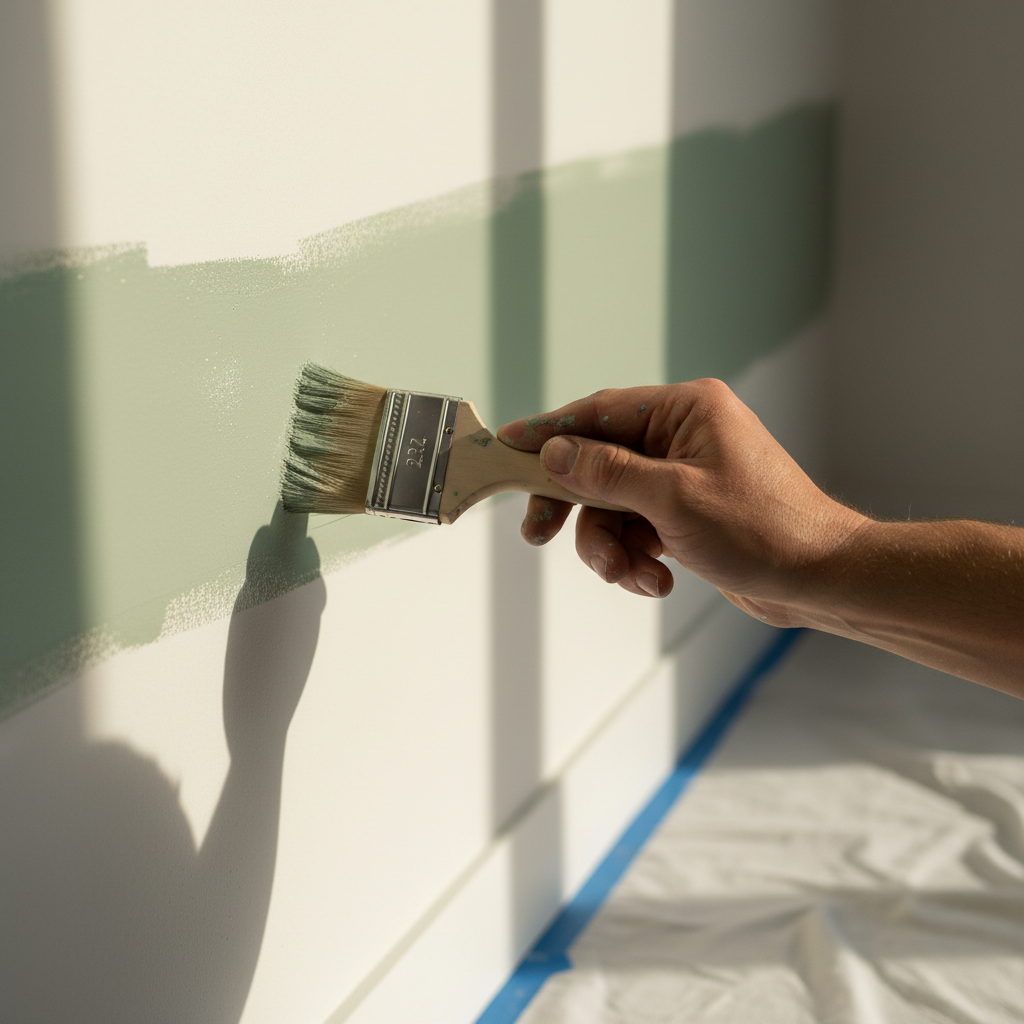
Many Buford homeowners ask if Dawn dish soap is good for walls; the answer is a resounding yes. Mild dish soaps are effective surfactants that break down oils and surface grime without the caustic chemicals found in heavy duty degreasers. When determining how to clean painted walls without damaging the finish, the key is proper dilution. A gallon of warm water mixed with only two or three drops of soap is sufficient for most residential needs.
Avoid using abrasive sponges, scouring pads, or cleaning agents containing bleach and ammonia. These materials can etch the paint surface or create permanent discoloration that requires a full repaint to fix. Instead, follow this professional gentle wash method:
Submerge a soft cellulose sponge in the soapy solution and wring it out thoroughly until it is damp rather than dripping. Excess water can run down the wall and create permanent streak marks.
Wipe the area using light, circular motions, focusing specifically on the mark without applying excessive pressure.
Use a second sponge dampened with only clean water to rinse the area, preventing a dulling soap film from forming.
Pat the area dry with a fresh microfiber towel to prevent moisture from sitting on the surface.
For homes dealing with stubborn odors from holiday cooking or fireplaces, white vinegar serves as an excellent natural alternative. A light solution of one part vinegar to one part water can neutralize smells like smoke without lifting the paint pigment. If a stain remains visible after these gentle attempts, it suggests the blemish has permeated the paint layer. In these instances, you should contact DNA Pro Painting, LLC for a touch-up to restore the seamless look of your interior spaces.
How to Clean Matte Paint Walls Without Losing the Soft Look
Matte finishes are prized for their ability to hide surface imperfections and provide a sophisticated, non-reflective aesthetic. However, this velvet-like appearance comes with a trade-off in washability. Because matte paint has a higher pigment-to-binder ratio, the surface texture is more porous and prone to damage from friction. Aggressive scrubbing on a flat surface often leads to burnishing, which is the creation of permanent shiny spots where the paint has been polished smooth.
When you are faced with a stubborn mark that a simple dusting or mild soap won't remove, the baking soda paste method is a safe, professional-grade solution. Create a mixture of two parts baking soda to one part water to form a gentle, non-abrasive paste. Apply a small amount to a clean, soft cloth and lightly press it against the stain.
The "dab, don't scrub" rule is non-negotiable for matte surfaces. Instead of moving the cloth in repetitive motions that generate heat and friction, use a gentle dabbing motion to lift the debris. Once the mark is gone, wipe the area with a damp, clean cloth to remove any white residue. This careful approach is central to how to clean painted walls without damaging the finish. If a mark is too deep or the finish has already begun to burnish, the only way to restore the uniform look is through quality residential painting services or a professional color-matched touch-up.
Removing Tough Holiday Stains: Oil, Scuffs, and Food Spills
Holiday gatherings often result in more than just memories; they frequently leave behind grease splatters near the kitchen or dark scuffs in the foyer. Removing oil stains from walls near the cooking area requires a concentrated degreasing agent. While a standard soap solution works for dust, grease bonds to the paint film. Applying a drop of undiluted mild degreasing soap to a damp cloth and gently massaging the spot can break that bond. Always rinse the area immediately with a clean, damp cloth to prevent the soap residue from attracting more grime over time.
For physical scuffs caused by dragging furniture or holiday guests' footwear, a melamine sponge, commonly known as a Magic Eraser, is highly effective. However, you must exercise extreme caution with these tools. These sponges are essentially superfine sandpaper. Using them on semi-gloss or high-gloss trim can create a permanent dull patch, while aggressive use on flat paint may remove the pigment entirely. Always use the lightest pressure possible to preserve the surface integrity.
To avoid these maintenance headaches in high-traffic zones, DNA Pro Painting, LLC often recommends Scuff-X for our quality residential painting services. This professional-grade coating is specifically engineered to resist scuffs and stains before they happen. If your current paint cannot withstand holiday wear, it may be time to upgrade to a more durable finish that simplifies how to clean painted walls without damaging the finish in the future.
Cleaning Painted Doors and Entryways
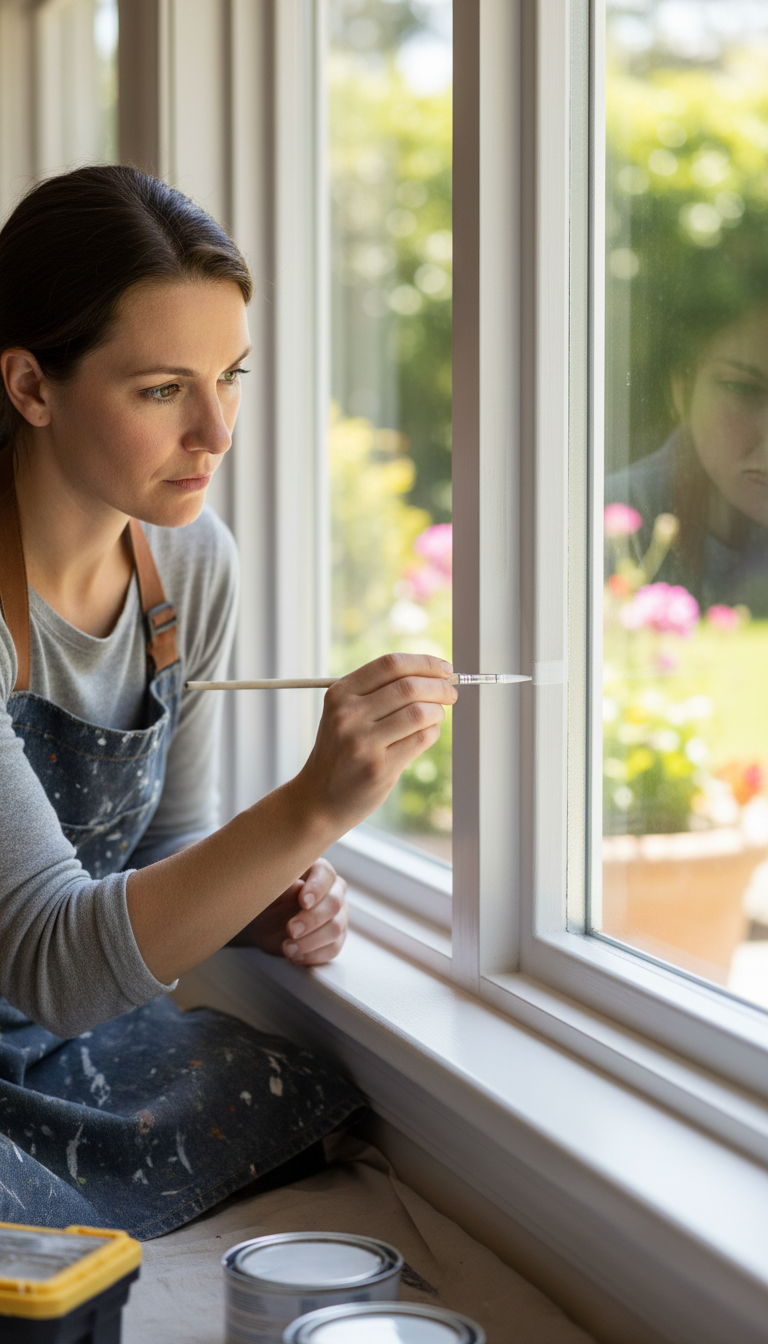
Entryways serve as the primary transition point for holiday guests and consequently endure the highest volume of physical contact in the home. Cleaning painted doors becomes a critical maintenance task during the winter months to prevent grime from becoming a permanent fixture of your foyer. Most doors and decorative trim in Buford homes are finished in semi-gloss or high-gloss enamels. These coatings provide a more durable barrier than standard wall paint, allowing them to withstand slightly more pressure, yet they still require a methodical approach to avoid scratching the reflective sheen.
Focus your attention on the door edges and the area surrounding the hardware; these spots accumulate skin oils that can eventually soften the paint film if left unaddressed. Use a microfiber cloth dampened with the mild soap solution mentioned previously to gently wipe the vertical edge where guests often grab the door. For intricate trim or recessed panels, a soft duster or a clean, dry paintbrush can help dislodge debris from tight corners. Maintaining these high-touch surfaces is an essential part of knowing how to clean painted walls without damaging the finish. If years of holiday traffic have left your woodwork looking dull or worn, investing in expert interior painting in Georgia can restore the crisp, professional look of your home's entry points.
Long Term Protection: Maintaining the DNA Pro Finish
Cleaning is reactive, but long term protection is proactive. To keep your walls looking pristine well beyond the holiday season, you must manage your maintenance supplies correctly. Many Buford homeowners store leftover paint in the garage; however, Georgia's high humidity and extreme temperature swings can quickly separate the pigments and ruin the binder. Always store touch-up cans in a climate controlled area, such as a pantry or interior closet, to ensure the product remains viable for future use.
While understanding how to clean painted walls without damaging the finish addresses surface grime, some damage penetrates deep into the paint film. If a stain has 'ghosted' into the drywall or if the paint has physically chipped, further scrubbing will only enlarge the blemish. At this stage, it is more cost-effective to contact DNA Pro Painting, LLC for a touch-up rather than risking the integrity of the surface. We recommend performing a yearly wall walk-through every January to inspect high-traffic corridors and baseboards. Identifying minor scuffs early allows for localized repairs that preserve your quality residential painting services and extend the life of your expert interior painting in Georgia.